Specialized care for children with inflammatory diseases and genetic immune dysregulation..

Autoinflammation in Pediatrics

Understanding Autoinflammatory Conditions

Autoinflammatory diseases are rare, long-term conditions caused by disruptions in the innate immune system—the body’s first defense line. Unlike autoimmune disorders, these conditions don’t stem from an immune attack, but rather from internal signal errors that trigger repeated inflammation.

These illnesses often begin in early childhood and appear as recurring fevers, rashes, joint pain, or swelling—without any clear infection. Because symptoms can resemble common viral infections, diagnosis is often delayed.

Why Timely Diagnosis Is Crucial

Children may endure months or even years of unexplained symptoms. Left untreated, ongoing inflammation can lead to:

Stunted Growth

Chronic inflammation can slow bone and overall physical development.

Organ Damage

Prolonged untreated disease may affect organs like the liver, kidneys, or heart.

Chronic Fatigue

Continuous inflammation often leaves children feeling weak and drained.

Social Activities

Frequent illness and discomfort disrupt education and friendships.

Quality of Life

Persistent pain and limitations can impact overall well-being and happiness.

Know the signs to protect your child’s health.

Common Autoinflammatory Conditions We Treat

Warning Signs to Watch For:

  • PFAPA Syndrome (Periodic Fever, Aphthous Stomatitis, Pharyngitis, and Adenitis)
    Characterized by recurring fevers, mouth ulcers, sore throat, and swollen neck glands in young children.

  • Systemic JIA (Systemic Juvenile Idiopathic Arthritis)
    A rare childhood arthritis causing fever, rash, and inflammation in joints and internal organs.

  • CAPS (Cryopyrin-Associated Periodic Syndromes)
    A group of genetic disorders marked by recurrent fevers, rashes, and risk of hearing or vision problems.

  • TRAPS (TNF Receptor-Associated Periodic Syndrome)
    A hereditary condition causing prolonged fevers, muscle pain, abdominal pain, and skin rashes.

  • FMF (Familial Mediterranean Fever)
    A genetic disorder common in certain populations, leading to sudden fever episodes with chest, joint, or abdominal pain.

Trusted Care. Proven Results.

Over 1,000+ happy patients and years of clinical excellence—Dr. Pallavi Pimpale is a trusted name in treating juvenile arthritis, lupus, and other pediatric autoimmune disorders.

0 +

Years of Experience

0 +

Research Publications

0 +

International Collaborations

0 +

Satisfied Patients

Early Symptoms Matter

Key Symptoms to Watch For

Recurrent High Fevers

Fevers lasting 3–7 days, returning every few weeks or months.
Do not improve with antibiotics.
Common in PFAPA, CAPS, TRAPS, and similar conditions.

Mouth Ulcers

Painful, recurring sores inside the mouth. Often accompanied by sore throat and fever.

Swollen Lymph Nodes

Most noticeable in the neck region.
Tender during flares but usually without infection.

Skin Rashes

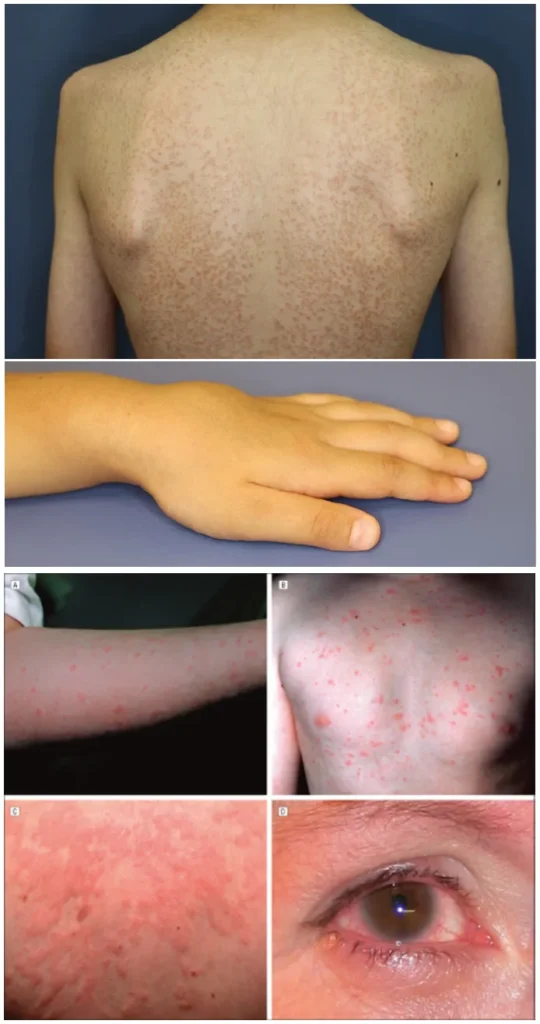
Sudden red, non-itchy rashes.
Typically fade after the fever or flare resolves.

Stomach or Chest Pain

Recurrent pain without digestive or respiratory cause.
Common in FMF and other periodic fever syndromes.

Joint Pain with Fevers

Pain or stiffness during or after fever episodes.
Can occur even without visible swelling.

Early Symptoms Matter

Key Symptoms to Watch For

For Parents: When to See the Doctor

Children and adolescents with rheumatic or autoinflammatory conditions may experience a wide range of symptoms. At PREP Clinic, we emphasize that early diagnosis and timely treatment can greatly reduce the risk of long-term complications and improve your child’s quality of life.

You should schedule an appointment with a pediatric rheumatologist if your child shows any of the following signs:

  • Fever that does not respond to antibiotics

  • Prolonged or recurrent fever lasting weeks or months

  • Unexplained fevers or repeated illness without clear cause

  • Joint pain, swelling, or stiffness

  • Joint pain associated with vision changes

  • Persistent lower back pain

  • Unexplained skin rashes, with or without fever

  • Discoloration of fingertips

  • Unusual nail changes or pitting

  • Frequent mouth ulcers

  • Persistent fatigue or generalized weakness

  • Muscle weakness affecting daily activities

  • Unexplained high blood pressure in a child

  • Dry mouth or swelling of the jaw/glands

  • Tightening or thickening of the skin

Early evaluation by a pediatric rheumatologist helps in accurate diagnosis, timely treatment, and prevention of long-term joint or organ damage.

For Health Professionals: When to Refer a Patient

Pediatric rheumatic and autoinflammatory diseases can affect joints, muscles, bones, and connective tissues, and may also involve the eyes, skin, kidneys, and gastrointestinal tract.
Early recognition and timely referral to a pediatric rheumatologist can prevent irreversible damage and improve long-term outcomes.

You should consider referral if your pediatric or adolescent patient presents with any of the following:

  • Fever unresponsive to antibiotics

  • Prolonged or recurrent fever lasting weeks or months

  • Undiagnosed fevers despite evaluation

  • Joint pain, swelling, or persistent stiffness

  • Joint pain associated with vision problems

  • Chronic lower back pain

  • Unexplained skin rashes, with or without fever

  • Fingertip discoloration suggestive of Raynaud’s phenomenon

  • Abnormal nail changes or pitting

  • Recurrent oral ulcers

  • Persistent fatigue or generalized weakness

  • Muscle weakness affecting daily activities

  • Unexplained hypertension in children

  • Dry mouth or jaw/gland swelling

  • Skin thickening or tightening

  • Abnormal blood investigations such as:

    • Positive ANA or RA factor

    • Elevated TLC, ESR, or CRP

Early referral to Dr. Pallavi Pimpale at PREP Clinic ensures a comprehensive evaluation, accurate diagnosis, and evidence-based management for your patients.